How to Help Someone With Breast Cancer: Practical Ways to Show Up.
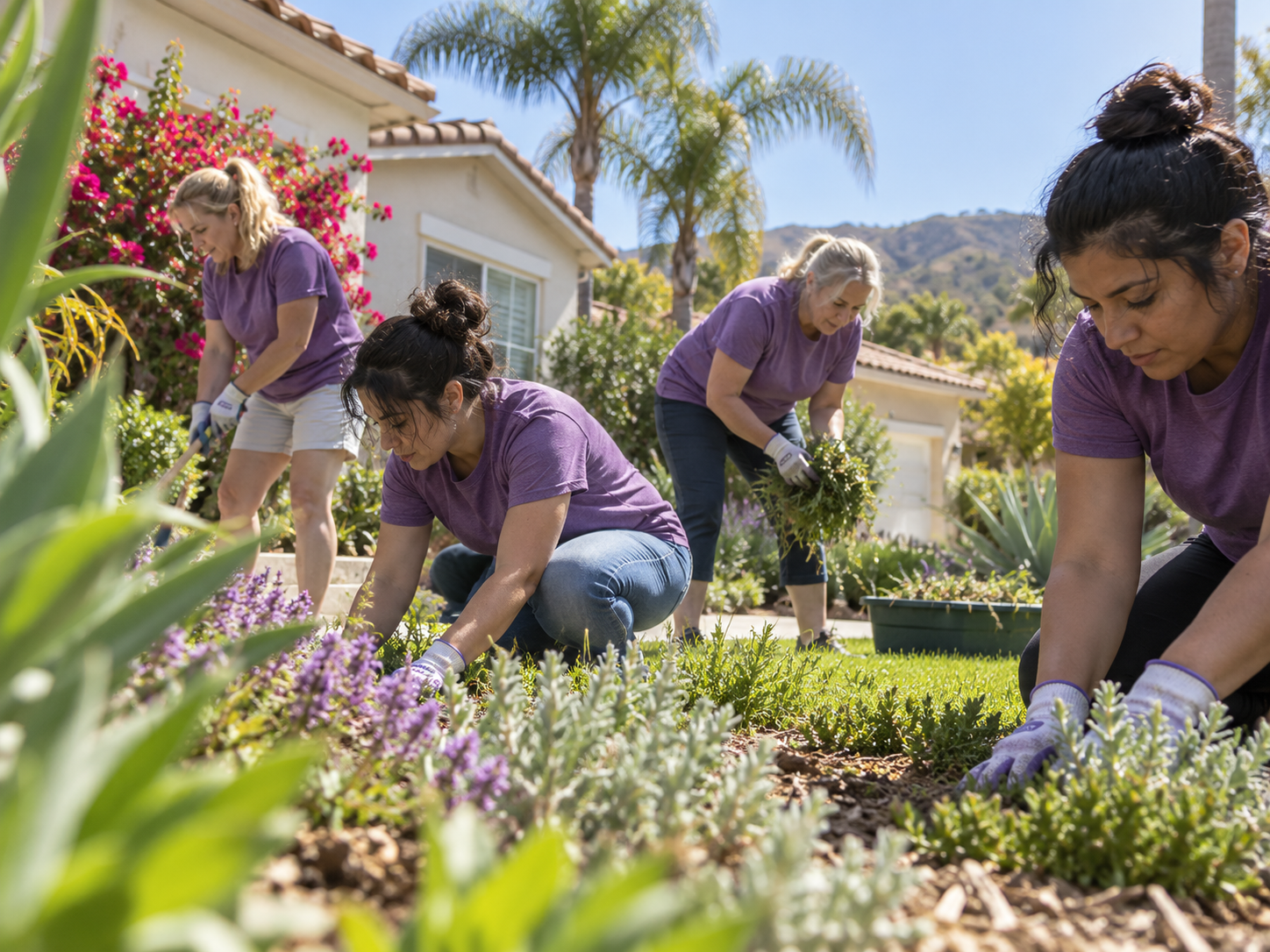
The garden doesn’t know about Breast Cancer
Awareness is Not the Same as Help.
Every October, we see pink ribbons, inspiring quotes, and countless social media posts for Breast Cancer Awareness Month. These campaigns help fund research and encourage screenings, but for people going through cancer treatment, daily life needs more than just awareness. Pink is just a color, but real help means taking action. Still, it can feel overwhelming to know how to actually help.
Most of us know someone who is sick or struggling. But when we’re with a friend, neighbor, or family member who is ill, it’s hard to know what to do. We might try to help in ways that miss the mark, say too much, say nothing, or even avoid visiting because we feel awkward. Sometimes, we might stay too long and unintentionally make things harder.
Stop Making the Person With Cancer Manage the Helping
In her book How to Be a Friend to a Friend Who is Sick, Letty Cottin Pogrebin shares honest stories about how her friends and family reacted to her breast cancer diagnosis. Some misunderstood what she needed or made her responsible for telling them how to act. She felt much better when people understood her needs and took away the stress of figuring out what to ask for. She also talked to other patients at Memorial Sloan-Kettering Cancer Center and many others who had faced serious illnesses. Many said they wished their friends knew how to comfort, help, or just talk to them without making them feel different or hopeless. (LettyCottinPogrebin.com)
When someone you care about is dealing with cancer, just getting through each day can be physically draining, complicated, and lonely. Saying things like "stay strong" or "you're a warrior" doesn’t make dinner, wash dishes, pull weeds, or help with the heavy silence of an afternoon.
Look for the Need and Fill It
True solidarity lives in practical, tangible action. It means showing up to do the small, unglamorous tasks that keep a household running when the resident has nothing left to give. If you want to offer meaningful support during this awareness month, bypass the empty inspiration and commit to concrete actions. When you're not sure what to do, pitch in.
In her book, Pogrebin illustrates the point by discussing a funeral. After a burial, there is generally a period of grieving together in the home of the deceased or their family. This involves a mountain of food and a crowd of people descending on the grieving family.
Easy casseroles are such a part of these sad events that people joke about them, usually in ways specific to the culture of those in attendance. But if everyone brings food, some of which may be useless to the bereaved once everyone has left, who brings paper plates or paper napkins? Even better, who brings toilet paper?
Pogrebin’s funeral example illustrates that we can do more good by looking at a need and filling it. Taking a friend a meal is more helpful if it's a mismatched collection of their favorite comfort foods than if it's easy for you but not something they even enjoy.
Help With the Heavy Stuff
In the same vein, cancer treatment leads to physical exhaustion. Heavy lifting, bending over, and extended physical labor can become impossible. Sharing the load with outdoor and indoor chores preserves our loved ones' energy for healing. Don't wait for your friend to ask for help. In fact, you can probably think of some things you can do without asking them what they want you to do.
Heavy bags of soil or compost will be harder to manage during chemotherapy or after surgery. Offer to assist with the heavy lifting so they can enjoy their gardens—or help prep their yard for the changing seasons.
An unruly yard can be frustrating or anxiety-inducing for someone stuck looking out the window. Show up with your own mower, cut the grass, and edge the walkways without waiting to be asked.
It’s easy to forget about trash pickup schedules or moving heavy bins during tough treatments. Take out the trash and recycling bins on the right night and bring them back the next morning.
Don’t Forget the Pets
Going further, think about how hard it can be for someone with cancer to care for their pets. You and a few friends can set up a shared calendar to help with daily dog walks or pet-sitting. If it’s safe, offer to watch their pets at your home so your friend can go to appointments without worrying. That peace of mind is priceless during such a difficult time.
We can even take pets to their routine checkups or emergency appointments. Sit in the waiting room, take notes on the vet's instructions, and handle the payment logistics if authorized.
Sometimes the Best Help Is Just Being Their Friend
One of the best things you can do for a friend with cancer is to spend time with them. Send a text, call, or visit when they feel up to it. Most people with cancer don’t want to be treated differently. Talk about your usual topics—family, TV shows, or neighborhood news. Be the kind of friend you’d want if you were in their place.

Live in town? Bring your friend to our Complimentary Sound Journey. Register here to save your mattress!
Community Gives People Room to Heal
Community is such a massive part of healing. Any support you provide can make a big difference, whether that support is emotional, mental, or material, what the cancer patient in our lives needs is to focus on healing, and we can help to provide the freedom for them to do just that.
Here in Ventura County, this is the gap Backyard Breasties tries to help fill: the ordinary household and garden work that doesn’t disappear just because somebody started chemotherapy, had surgery, or is trying to recover.
We aren’t the only ones seeing the value. Check out Going Beyond the Pink’s blog post about the benefits of gardening for breast cancer patients and survivors.